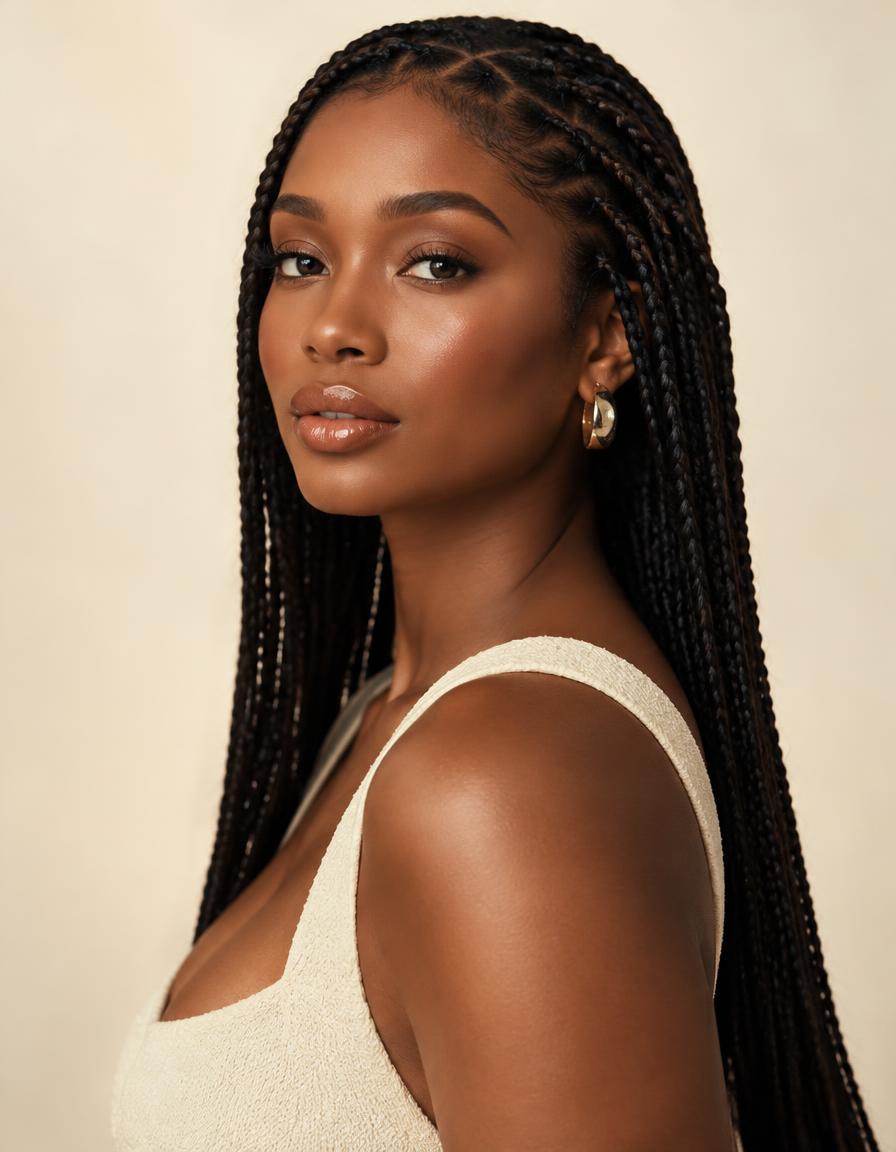
Protective hairstyles such as braids, twists and cornrows are a beautiful way to express your style while giving your hair a break from daily manipulation. To get the most from them, your scalp deserves just as much care as the braids themselves.
Why Scalp Care Matters
Your scalp is skin. When it is covered by braids for several weeks, sweat, oils and product can build up, which may lead to itching, flaking or discomfort. A clean, comfortable scalp supports healthier-feeling hair and helps your style look fresh for longer.
How to Cleanse the Scalp Gently
Dilute a gentle shampoo with water in an applicator bottle and apply it directly between the parts. Massage lightly with your fingertips — not your nails — then rinse thoroughly. Squeeze out excess water with a microfiber towel and make sure your braids dry completely to avoid lingering dampness.
How to Avoid Excessive Product Buildup
Heavy gels, greases and thick creams can collect at the base of braids. Use products sparingly, choose lighter formulas, and apply only what your scalp needs. If you notice white residue along your parts, it may be time for a gentle cleanse.
Moisturizing According to Scalp Needs
Every scalp is different. Some people need very little extra moisture, while others feel dry more quickly. A light leave-in spray or a few drops of a lightweight oil on the scalp can help. Pay attention to how your scalp feels rather than following a rigid schedule.
Protecting Braids While Sleeping
Cover your braids with a silk or satin scarf or bonnet at night, or sleep on a satin pillowcase. This reduces friction and frizz and keeps your style neat.
Avoiding Excessively Tight Styles
A protective style should never be painful. Braids that are installed too tightly or pull heavily on the hairline can stress the hair and scalp. Always speak up during your appointment if anything feels uncomfortable — a professional stylist will adjust the tension.
Recognizing Irritation or Tension
- Small bumps around the hairline or at the base of braids
- Persistent soreness, tenderness or headaches
- Redness, ongoing itching or flaking
If you notice these signs, loosen or remove the affected braids and consider speaking with a medical professional if irritation continues.
How Long to Keep Protective Styles
Many people wear braids for several weeks, but the right length of time depends on your hair, scalp and the style itself. Leaving braids in too long can cause matting and buildup at the root. Your stylist can recommend a timeframe that suits you.
Caring for Natural Hair After Braid Removal
Remove braids patiently and detangle gently, section by section. Expect some shed hair — it is normal to lose hair daily, and it collects while braided. Follow with a cleansing wash and a nourishing deep conditioner, and give your hair a short rest before your next style.
Looking for comfortable, beautiful braids installed with care? Explore professional braiding and natural hair services at EDMICKA BEAUTY SALON.
Beautiful Hair Begins With Expert Care.
Experience personalized hair care and professional styling at EDMICKA BEAUTY SALON.
Book Your AppointmentKeep reading
Related Articles
Natural Hair
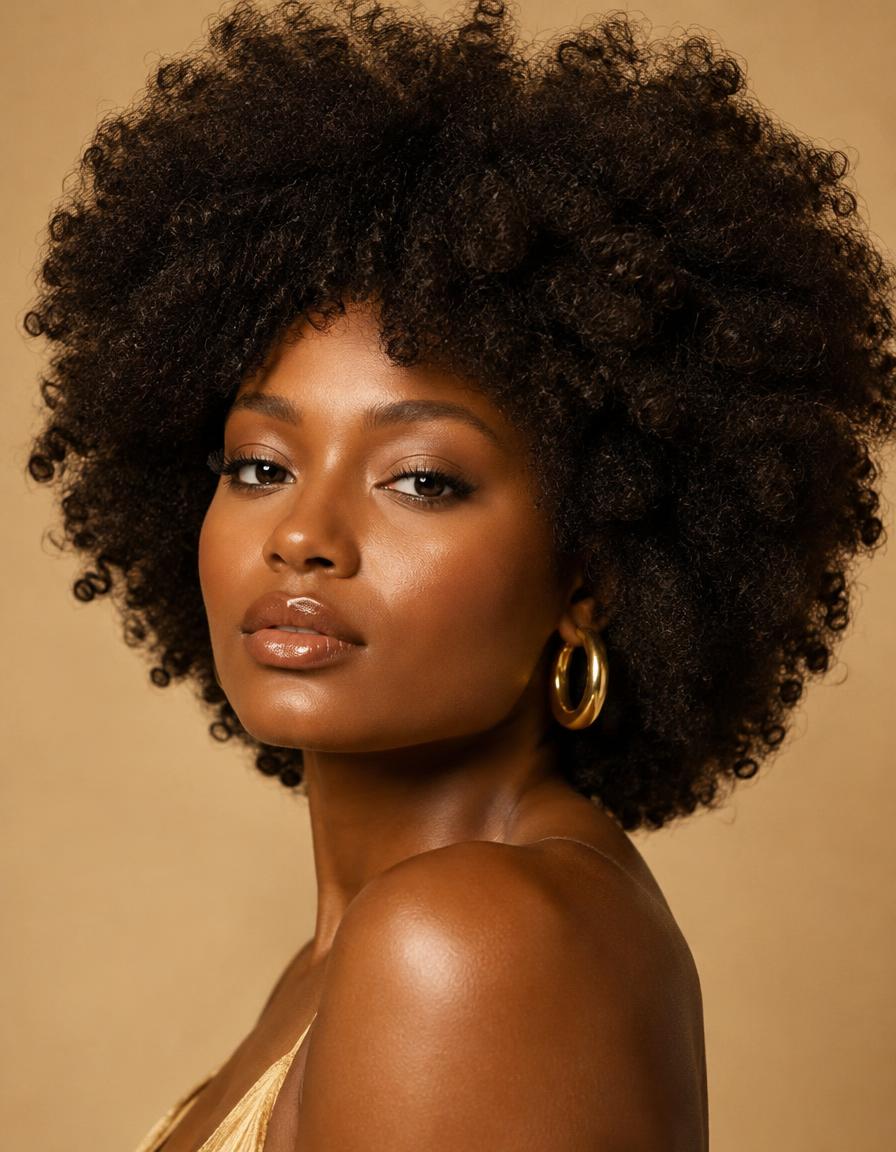
Why Deep Conditioning Matters
Textured hair loves moisture. A regular deep-conditioning routine helps reduce breakage and boost definition.
Read Article →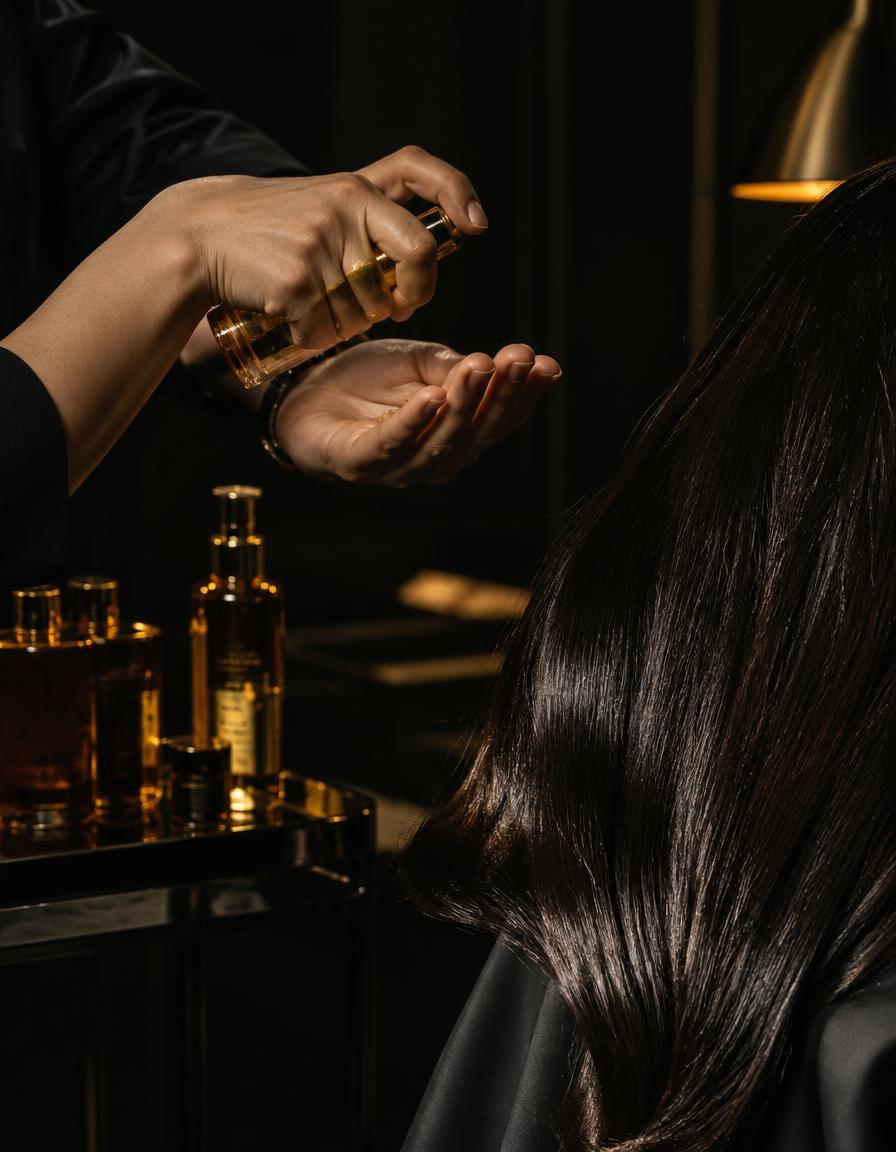
Hair Health
Keeping Your Silk Press Glossy Between Visits
Wrap nightly with a silk scarf, avoid humidity where you can, and skip heavy oils at the root.
Read Article →